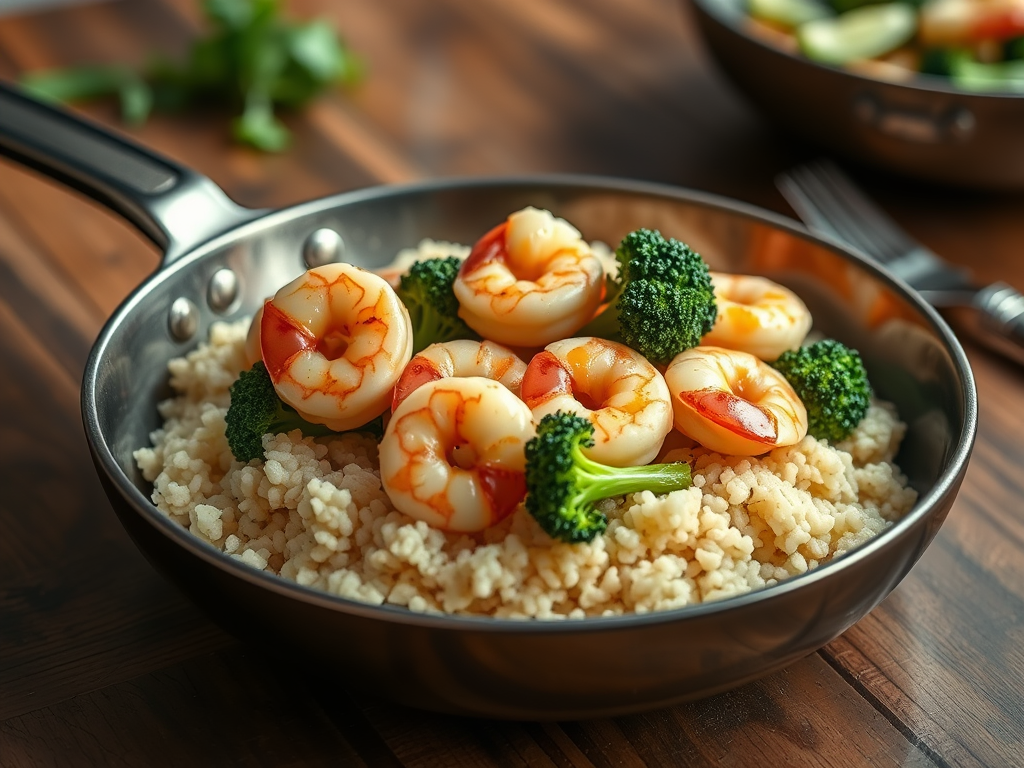
The first time I can ever remember making this meal was September 11, 2001. I know I’ve probably made it before that day, but that’s the most memorable time that I can remember making it.
My husband was working five blocks away from the World Trade Center at the time. I spent most of that morning the same way that a lot of other people in New York did that day: watching the news coverage and pacing laps across my apartment, worried sick about my husband and our other friends and loved ones who were down there.
When I finally got the call from my husband that afternoon — he was (thankfully) okay and slowly making his way home to our apartment in Queens. I was emotionally numb and physically exhausted, like everybody else. But my husband was coming home — and a lot of other people that day weren’t so lucky. Plus, one of my husband’s co-workers was walking with my husband and that co-worker needed a place to crash until the transportation situation in the city was worked out (which happened later that evening).
I knew both of these guys really needed a home-cooked meal, so this is what I came up with — after an incredibly long and frightening day, it was all I had the energy to do. I used imitation crabmeat and a lemon pepper marinade I had on hand. It did the job well enough. This is now one of my standby meals for when I don’t feel up to cooking but don’t want to eat out or get delivery (for whatever reason). I try to keep the ingredients on hand at all times.
The recipe below is for a one-pot meal. It takes five ingredients, one of which is water. There’s zero prep work involved. Only one of the ingredients is a “processed food”. It takes five minutes at the stove and five minutes where you don’t have to do anything at all. If you don’t have the energy to pull this off, then I hereby give you permission to call for food delivery. But if you don’t already have the Chinese food place on speed dial, this will probably take you less time to make than it would for the delivery place to make your meal — let alone deliver it to you.
Shrimp and Broccoli Skillet
serves 2-3
- 1 1-pound bag large, pre-cooked, tail off shrimp (look for the ones that say 50-70 per pound on the bag) Tail-off shrimp are easier to eat, but if you can’t find them, tail-on is just fine. Just don’t get raw — they tend to be peel-and-eat, which makes eating this a little more of a production. (Raw shrimp will also take a couple of minutes longer to cook.)
IF YOU CAN’T AFFORD SHRIMP: Look for imitation crabmeat on sale (my local supermarket will often have it buy one, get one free, which breaks the cost down to about $2 a pack). It’s make from a whitefish paste called surimi. Use one small pack per person you’re feeding. It’s a little more “processed” than the shrimp, but when shrimp is often $10/pound, this will cut the costs a little.
Basically you can use any sort of “heat-and-eat” protein that you like: canned chicken, smoked sausage, even crumbled up veggie burgers would all work just fine. Never tried tuna with this (too mushy for me), but if you try it and it works, I’d love to hear about it! - 1 20 oz. bag frozen stir-fry vegetables — If you can’t find them and just have a bag of broccoli on hand, that’s fine
- 1 bottle Asian-style salad dressing of your choice — This is where all the flavor in the dish comes from, so find one you really like. You could also use teriyaki sauce or even just soy sauce in a pinch.
- 1/2 cup water
- 1/3 cup couscous: This is the key to making this a “balanced” meal. It’s the substitute for rice in this dish. Couscous is a quick-cooking grain make from semolina — the same grain that is used in most dried pastas. This should be a staple in every kitchen. You should find it next to the rice mixes in any supermarket. You can also replace the couscous with bulgur if you can find it — but it’s not as common (as far as I have been able to find).
IF ALL YOU CAN FIND ARE THE NEAR EAST COUSCOUS MIXES: Up the water to the amount recommended on the box and watch how much dressing you use — the Near East mixes are all loaded with salt.
LOW-CARB OPTION: Riced cauliflower would work great as a substitute to the couscous, although it will work much better as a way to stretch the couscous to feed a larger number of people. If you prefer not to use a starch at all, use 2 packages of House Foods Tofu Shirataki noodles — you can get them at most health food stores, and many high-end grocery stores. They’re a great heat-and-eat Lo Mein noodle. Rinse and drain them at least twice before using them, though — the water they come in tends to smell a little like dirty socks. If you use shirataki noodles, you can also skip the final step in the recipe (letting the skillet sit on the stove for 5 minutes). Just cook the dish until the noodles are heated through.
DIRECTIONS:
- Get out a big saute pan with a lid (12 inches minimum). Set the pan on the stove over high heat. Keep the lid handy.
- Open the bag of shrimp and pour it in.
- Open the bag of vegetables and pour it in.
- Stir everything around in the pot until the shrimp and vegetables stop looking frozen.
- Add the dressing to taste. At the very least use enough to coat the shrimp and vegetables, but it shouldn’t take the whole bottle. Cook for a couple of minutes. Taste a thick vegetable (like a piece of broccoli) or a piece of shrimp. When it doesn’t taste too cold (like you just barely thawed it), proceed.
- Add the water, cover the pan and cook until the water comes to a boil. This will take a couple of minutes, but it won’t take long.
- Take the lid off the pan, stir in the couscous, and put the lid back on. TURN THE HEAT OFF ON THE STOVE.
- Let the pan sit for 5 minutes. This is the point where you can walk away and sit down — have a drink if you need one and haven’t gotten yourself one already.
- Dinner’s served.
Have you made a couscous skillet dish like this? Share your version in the comments below!

 Virtual Homemaker
Leave a comment